

New International Patient Survey on Living with GATA2 Deficiency
September 15, 2026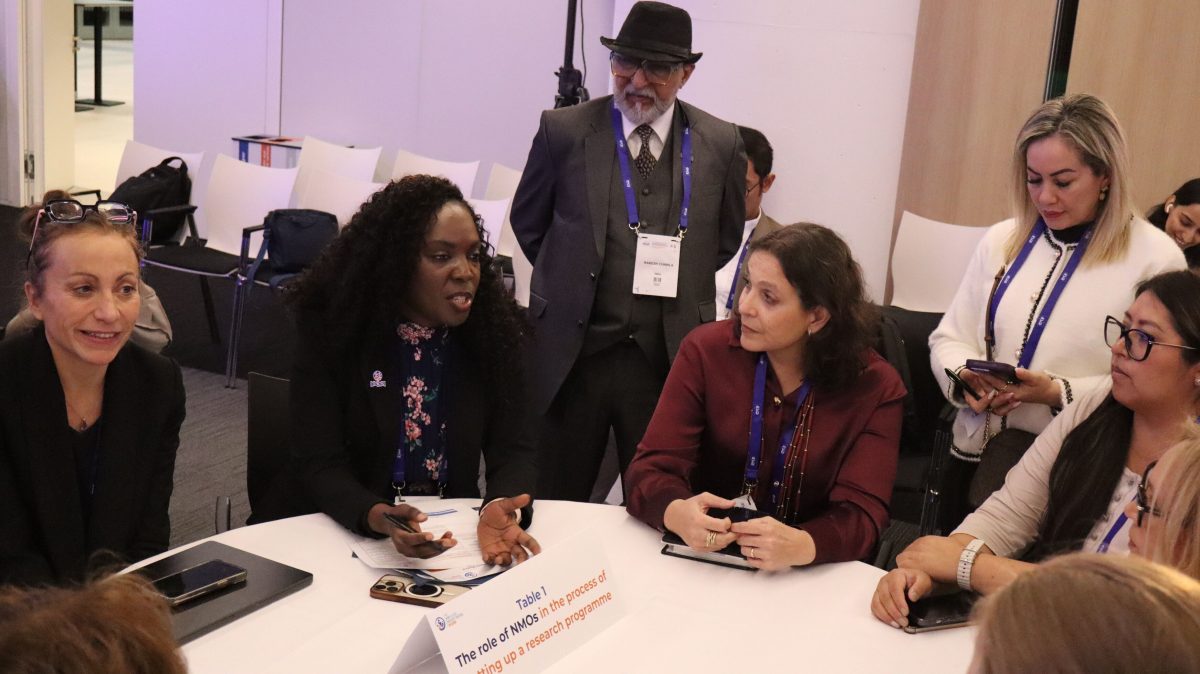
At the XIX Global Patients’ Meeting, held in Maastricht, the Netherlands, from 14-16 October 2026, Professor Marlène Pasquet took part in the workshop “Navigating Early Access: Empowering the PID Community” as part of the programme of Session 4 – Access.
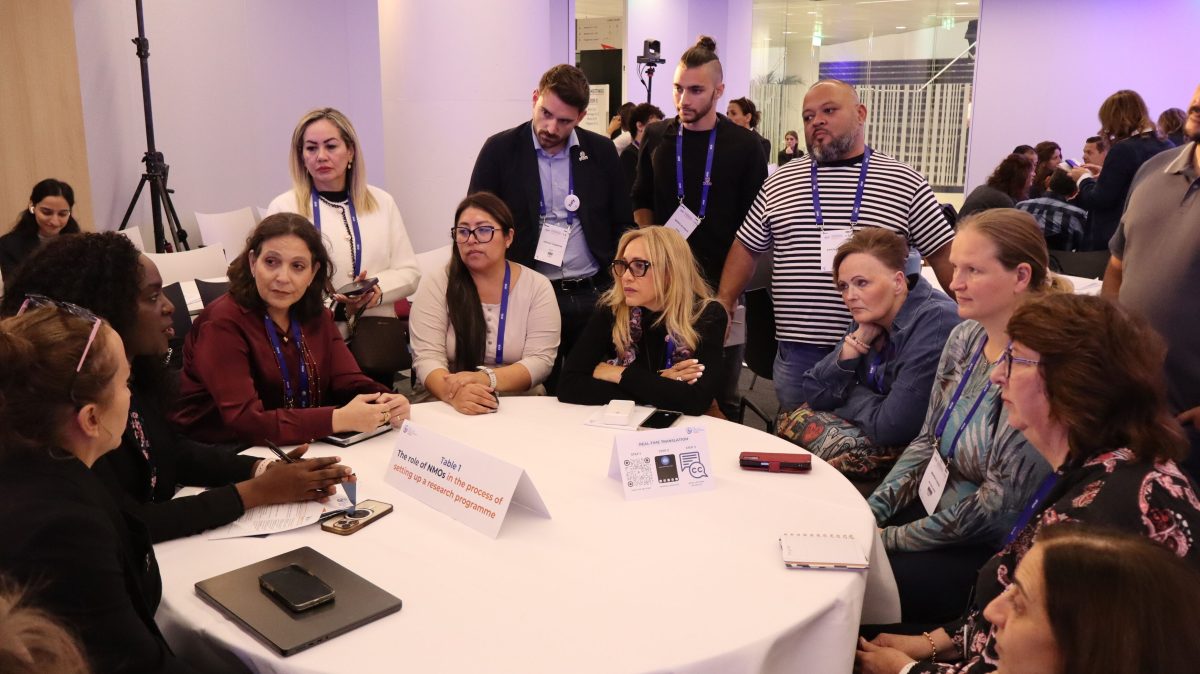
Together with Cynthia Olotch, an IPOPI Board Member from Kenya, Professor Pasquet contributed to the workshop section on the role of patient advocacy organisations in setting up a research programme, sharing insights from her experience leading patient-centred research initiatives, including the 3DGATA2 project.
The presentation highlighted the importance of placing patients’ needs, experiences, and expectations at the heart of research design and outcomes. Drawing on lessons from the 3DGATA2 project, Professor Pasquet illustrated how meaningful engagement with patients can help shape research priorities, improve follow-up strategies, and ensure that quality of life considerations are integrated into scientific and clinical work from the outset.
A key focus of the discussion was the value of understanding patients’ perspectives regarding long-term follow-up and quality of life. By involving patients throughout the research process, projects can generate knowledge that is not only scientifically relevant but also directly responsive to the challenges individuals face in their daily lives.
Professor Pasquet also emphasised how patient-centred research contributes to advancing more personalised approaches to care, with the ultimate goal of improving health outcomes and quality of life for people living with primary immunodeficiencies like GATA2 deficiency, while helping guide future developments in diagnosis, treatment, and follow-up.
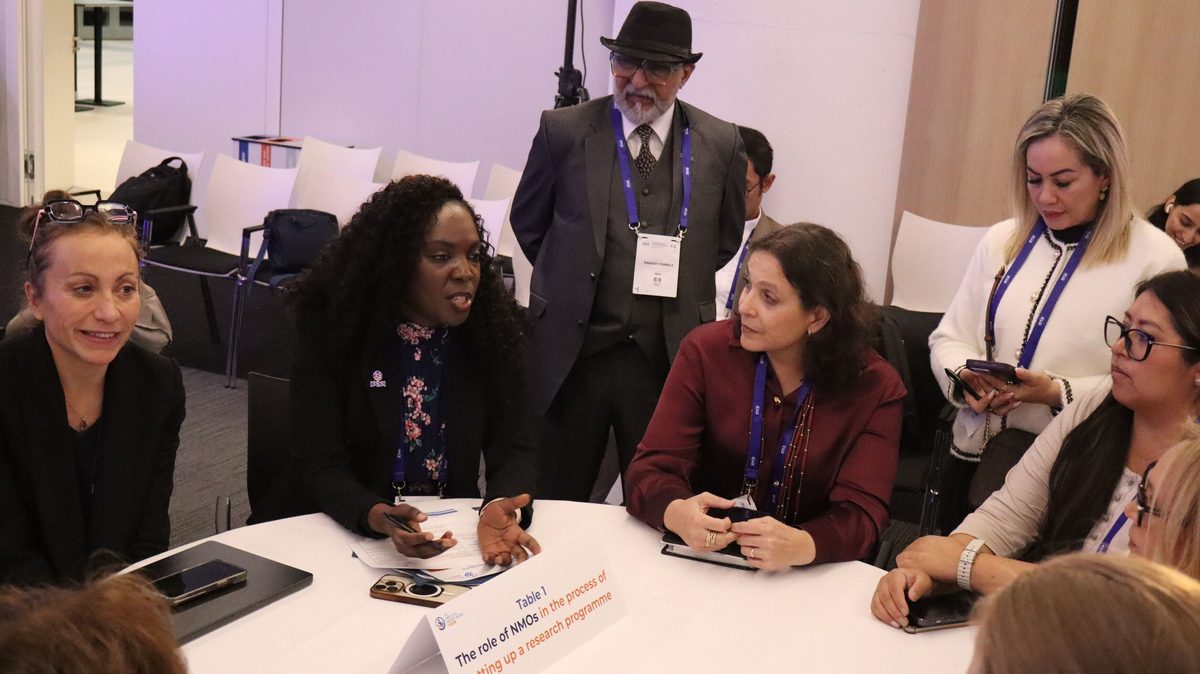
In the picture: Professor Marlène Pasquet, IPOPI Board Member Cynthia Olotch, and representatives from several National Member Organisations at the Global Patients Meeting (GPM 2026).