What is GATA2 Deficiency?
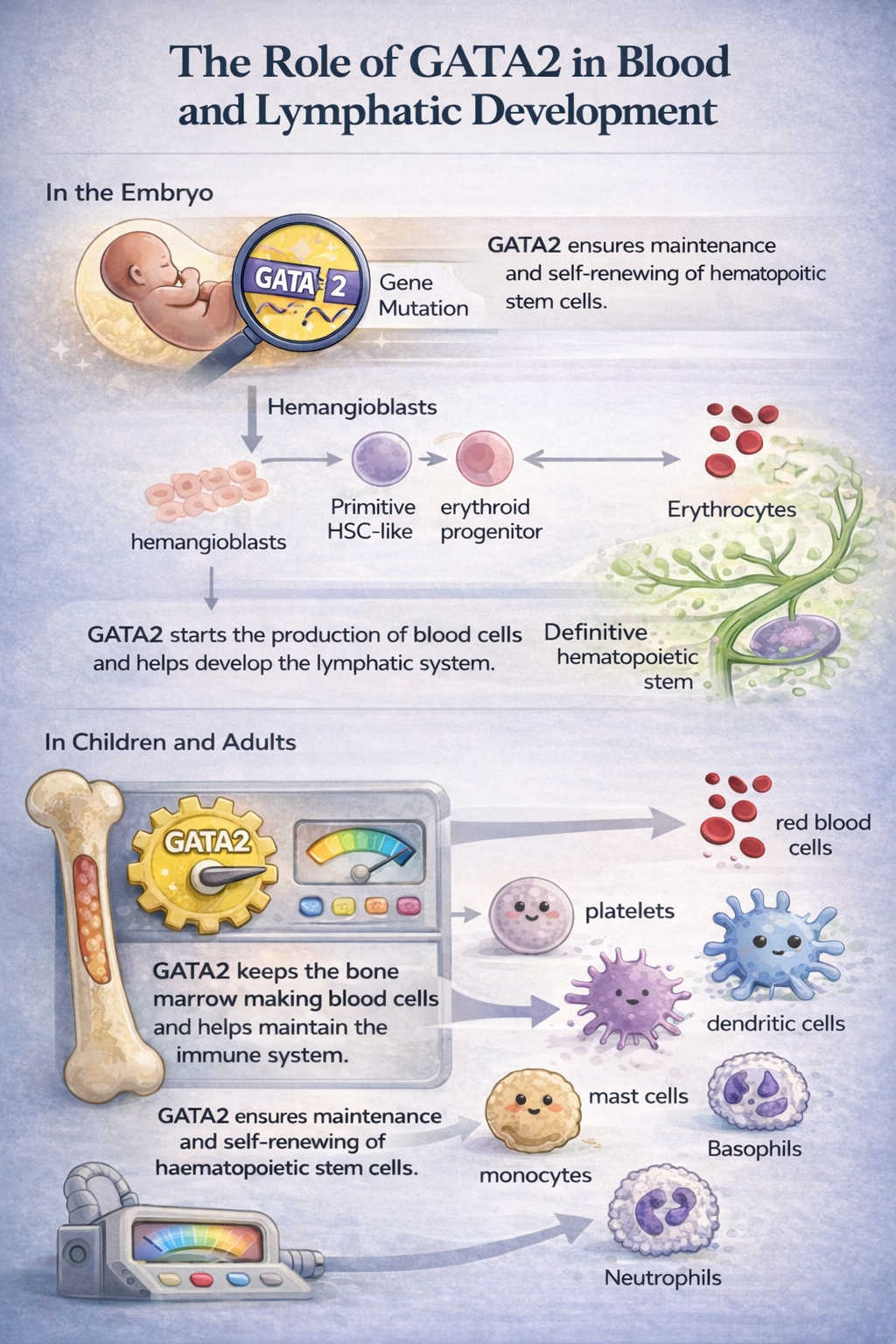
GATA2 deficiency is a rare genetic condition that affects the blood and immune system. The GATA2 gene acts like an important control switch that helps the body make healthy blood cells. It is active from early development before birth and continues to play an important role throughout life.
When this gene does not work as it should, the body may have difficulty producing certain types of blood and immune cells.
The 3D-GATA2 Approach
Individuals with heterozygous germline GATA2 mutation present with a rare and highly heterogeneous syndrome, frequently with immunodeficiency and an increased risk of malignancies. Although the syndrome can originate prenatally, clinical presentation of GATA2 deficiency is age-specific.
Early diagnosis, personalized care, risk-adapted surveillance and genetic counselling are key to improve patient care.
The 3D-GATA2 project aims to unite the efforts of a large European clinical network, both at national and international levels, to study the cells of GATA2 deficient patients and successfully characterize the natural disease course. This will allow researchers to understand the molecular mechanisms underlying bone marrow failure and malignant transformation, and identify novel biomarkers and therapies.
This knowledge will improve patient outcomes and quality of life, helping future patients with their journey. The ultimate goal of the project is to integrate personalized medicine into care of affected individuals.
Health Conditions Linked to GATA2 Deficiency
People with GATA2 deficiency may experience one or more of the following:
- Lower levels of certain immune cells, which can make infections more frequent or harder to fight
- Bone marrow problems, where blood cells are not produced as efficiently as they should be
- Blood disorders, such as myelodysplastic syndrome (MDS), and in some cases, blood cancers like acute myeloid leukaemia (AML)
- Lymphatic problems, which may cause swelling (lymphedema) in some individuals
Not everyone will develop all of these conditions, and symptoms can vary widely
Living With GATA2 Deficiency
GATA2 deficiency can affect people in different ways. Some individuals have mild symptoms for many years, while others may need closer medical follow-up. Regular monitoring by a specialist allows doctors to detect changes early and manage complications promptly.
It is important to find a medical doctor specialized in GATA2 deficiency (haematologist and/or Immunologist) for careful treatment and follow-up.
A bone marrow transplantation may be recommended during childhood or adulthood.
Helping immunity with antibiotics, antibody perfusion and vaccine prevention is often recommended.
Other organ specialists may be required (e.g., gynaecologist, ENT, lung specialist, among others).
Early diagnosis plays an important role in maintaining quality of life, as medical care and treatment options continually improve.
Other Possible Symptoms
In addition to blood and immune system changes, some people may experience:
- Low white blood cell counts
- Fatigue related to bone marrow function
- Lung problems that can affect breathing
- Hearing difficulties
- Neurological or developmental features
- Autoimmune or inflammatory conditions
- Fertility or pregnancy-related challenges